Discover Hidden Leverage in Everyday Home Routines
Welcome! Today we are exploring mapping household routines to find leverage points, turning fuzzy patterns into clear pictures that reveal small, strategic shifts with outsized payoffs. Through simple sketches, candid reflection, and tiny experiments, you will spot bottlenecks, remove friction, and reclaim time and energy. Expect practical examples, warm stories, and friendly challenges you can try tonight, measuring progress by calmer mornings, easier handoffs, fewer decisions, and more shared smiles around the table.

See the Whole System at Home

Identify Actors and Flows

List the people, tools, and items involved across the day, then trace how they move and interact. Notice where hands are full, decisions stack up, or voices overlap. Pay attention to emotional cues like sighs or raised shoulders. Those moments often signal hidden friction, helping you locate the precise junctions where a small redesign, clearer label, or gentler cue turns struggle into an easy, almost automatic glide.

Boundaries and Constraints

Draw the edges of spaces and time windows realistically, including doors, drawers, commute cutoffs, and bedtime limits. Constraints are not enemies; they concentrate creativity. A tiny entryway can inspire a brilliant shoe corral and mail sorter. A short lunch break can sharpen batch-prep habits. Naming boundaries early prevents magical thinking, guiding you toward changes that fit your real life and endure beyond a motivated weekend.

Feedback Loops and Delays

Many frustrations persist because results appear days later, hiding cause and effect. Label the loops. When dishes linger, tomorrow’s breakfast slows, making bedtime later, worsening fatigue. Introduce visible, immediate feedback: a clear sink end signal, a playful timer, or a scoreboard sticker. Shortening the delay between action and reward turns good intentions into reinforcing habits, gradually replacing nagging with proud, self-sustaining momentum everyone can feel.

The Two-Minute Landing Zone

A simple launchpad near the exit transforms last-minute scrambles into serene departures. Install hooks at child height, a basket for library books, labeled trays for keys and chargers, and a weekly checklist card. Refresh it every Sunday evening in under two minutes. The visual promise is unmistakable: everything has a home, everything returns, and mornings borrow yesterday’s foresight. Anxiety fades when your doorway tells a clear, friendly story about readiness.

Decision Menus for Faster Choices

Reduce early decision fatigue with prepared menus: two breakfast defaults, two outfit bundles, and a short weather-driven outerwear rule. Post them where choices happen. Menus do not limit autonomy; they scaffold it, shrinking cognitive load when brains are foggy. After a month, notice the difference in tone at the table and pace by the door. Calm often arrives disguised as fewer options presented at kinder moments.

Alarms, Light, and Gentle Ramps

Stack environmental cues that rise gradually rather than jolting everyone awake. Use a sunrise lamp, a favorite playlist that builds energy, and a five-minute stretch ritual. Avoid immediate phone notifications. The body respects rhythm; the brain welcomes predictability. When wakeup feels kinder, requests land better, conversations lengthen slightly, and forgotten items dwindle. A gentle ramp is a leverage point, letting the day begin aligned with biology instead of battling it.

The Kitchen as a Flow Engine

Meals run on cycles: plan, shop, prep, cook, serve, store, and reset. Bottlenecks appear where inventory hides, tools scatter, or cleanup lags. Treat the kitchen like a friendly workshop. Zone storage by task, make ingredients visible, and design an end signal that returns counters to clear. When the system hums, you recover hours weekly, reduce waste, and replace mealtime stress with connection, healthier choices, and laughter echoing against tidy pans.

Inventory Signals That Prevent Surprise Shortages

Invisible ingredients become silent saboteurs. Add bold shelf labels, a magnetic whiteboard, and a two-bin system for staples like rice, oats, or coffee. When the first bin empties, it triggers immediate restock capture. Pair this with a shared digital list. The simple visibility turns planning from guesswork into clarity, lowering emergency store runs and snack crises. Over months, waste shrinks while satisfaction quietly grows at every uncomplicated, well-supplied meal.

Sunday Prep as a Weekly Keystone

Two concentrated hours on Sunday can tilt the entire week. Wash greens, roast versatile vegetables, portion proteins, and mix a simple sauce trio. Set out labeled grab boxes for lunches. Invite music and a helper, making it social. A keystone ritual resets surfaces, reveals shortages, and builds confidence. Monday’s dinner becomes almost automatic, and midweek you will feel earlier-you handing present-you a thoughtful, delicious, time-saving gift.

Fridge Zoning and Labels That Guide Behavior

Design the fridge like a friendly map. Eye-level for ready-to-eat, lower shelves for raw ingredients, a clear bin for expiring soon, and a bold leftovers lane. Use large, legible labels and dates. Make the healthy choice the easiest reach. Behavior follows architecture more reliably than willpower. With zones defined, family members naturally assist the flow, and cleanup accelerates because there is no mystery about where anything truly belongs.

Laundry, Cleaning, and the Work No One Sees

Digital Calm and Coordination

Screens and schedules shape modern households, often quietly. Centralize calendar truth, fence attention with batches, and automate reminders that feel like kind nudges instead of alarms. Protect focus during homework or deep work with visible signals and shared rules. Reduce passwords chaos with a manager everyone trusts. Calm technology supports human priorities: eye contact, timely arrivals, generous pauses, and room for spontaneity that does not wreck the week’s carefully arranged scaffolding.

Calendar as the Single Source of Truth

Adopt one shared calendar for all obligations, color-coded by person and category. Make adding events effortless, perhaps through a quick-capture shortcut. Place a large, printed weekly snapshot on the fridge for glances. During Sunday check-ins, resolve conflicts and add buffers. When the calendar reflects reality, surprises shrink, carpool handoffs improve, and everyone develops a steadier sense of upcoming effort, including nights best reserved for rest rather than extra commitments.

Inbox Triage and Batching Windows

Email and messages expand to fill every gap unless contained. Create two daily batch windows for triage, with strict no-check zones around meals, mornings, and bedtime. Use simple filters to surface school notices and invoices. Archive ruthlessly. By separating scanning from replying, your brain avoids context collisions. Over weeks, you will feel attention thicken again, conversations deepen, and evenings stretch longer because urgent-sounding pings finally obey deliberate, humane boundaries.

Automations That Nudge, Not Nag

Automate recurring bills, subscription reviews, trash day reminders, and medication prompts using gentle notifications or smart speakers. Pair automations with visible cues like a recycling bin near the exit or a water bottle placed on the desk. The goal is support, not surveillance. When technology whispers at the right moment, follow-through rises naturally. Families begin to trust the system, freeing memory for creativity, connection, and unhurried problem-solving.

Choose One Metric That Matters

Pick a clear outcome that tells the truth: out-the-door time, dishes-to-clear minutes, or bedtime reading length. Make it visible where actions happen. Metrics create focus and fuel reflection. As the number moves, discuss what felt different. Keep it friendly, never punitive. The right measure invites curiosity, helping everyone see which small tweaks truly compound into peace, reliability, and a home that cooperates without constant heroics.

Tiny Experiments With Clear Stop Dates

Name a two-week trial with a crisp start and end. Write a hypothesis: labeling snack bins reduces weekday chaos. Decide a simple measure, then run it without constant edits. On the stop date, review honestly, keep what worked, and release what did not. Finishing experiments builds confidence. Each closed loop strengthens the habit of learning, replacing perfectionism with steady, joyful progress grounded in evidence and kind collaboration.

Family Retro: Snacks, Stories, and Next Steps
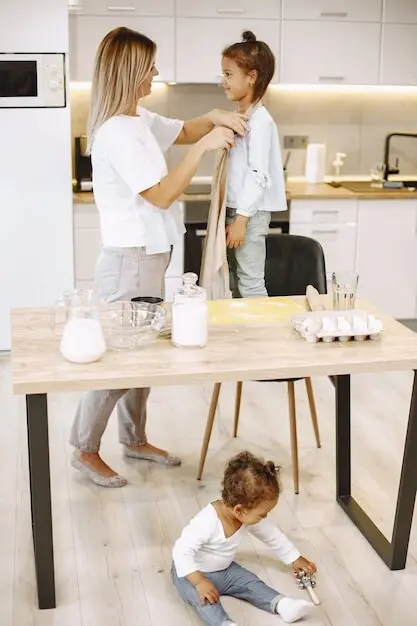
Gather briefly each week with something tasty, a shared calendar, and your maps. Ask what felt heavy, what felt light, and which moment made you smile. Appreciate wins out loud. Select one improvement, assign a tiny owner, and schedule the next check-in. This ritual protects momentum and belonging. Over seasons, it becomes the heartbeat of a household that adapts together, making ordinary days feel surprisingly well-orchestrated.
Veltodexonexonari
Privacy Overview

This website uses cookies so that we can provide you with the best user experience possible. Cookie information is stored in your browser and performs functions such as recognising you when you return to our website and helping our team to understand which sections of the website you find most interesting and useful.